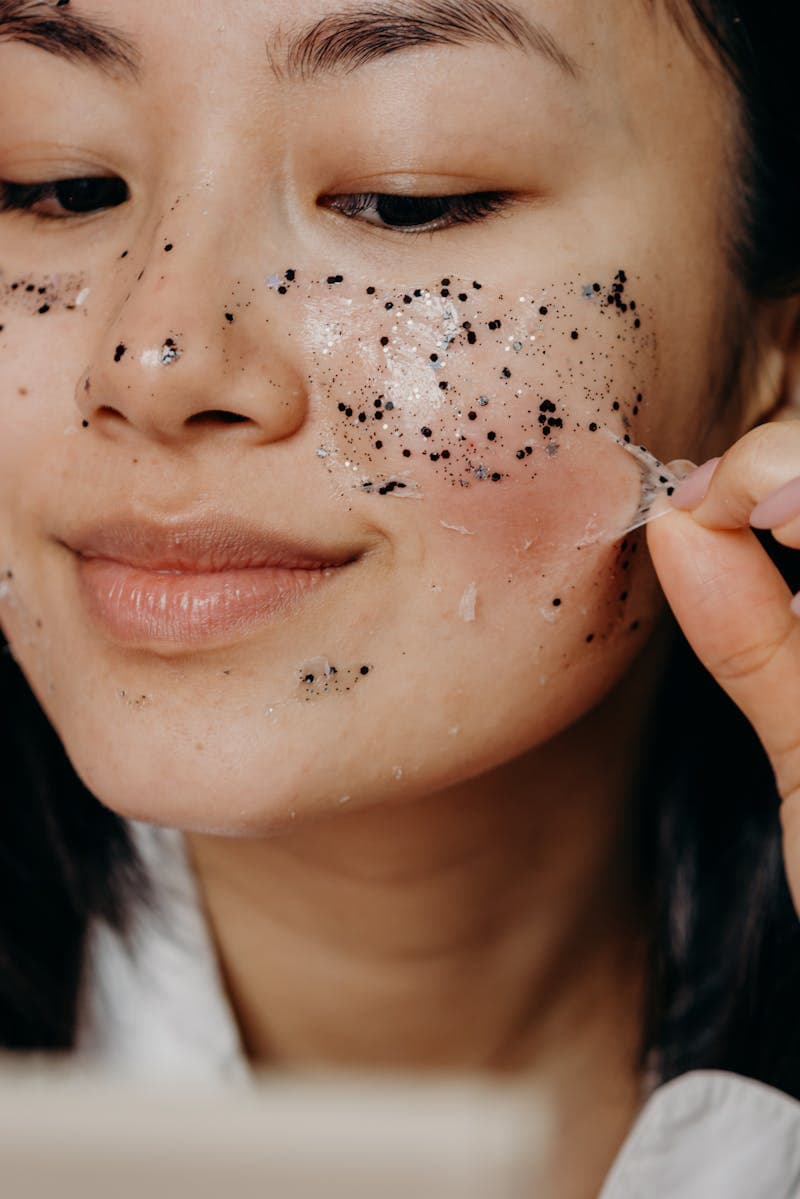
TCA (trichloroacetic acid) peel recovery is the most demanding recovery in the chemical peel family — more intense than glycolic or lactic peels, but producing correspondingly more significant results for sun damage, pigmentation, acne scarring, and skin texture. The recovery window is 7–14 days of visible peeling depending on the concentration used, followed by several more weeks of SPF-mandatory skin normalization.
Understanding what to expect at each stage, and what not to do, is the difference between a smooth recovery with excellent results and one complicated by scarring or post-inflammatory hyperpigmentation.
What TCA Does to the Skin
TCA (trichloroacetic acid) is a protein-coagulating acid that causes controlled chemical necrosis of the skin layers it contacts. When applied:
- Immediate protein coagulation causes the characteristic white "frost" on the skin surface — the visual signal practitioners use to gauge penetration depth
- Inflammatory cascade activates — histamine, prostaglandins, and growth factors flood the area
- Coagulated tissue contracts and darkens over days 1–3 (the "bronze" phase)
- Epidermal and dermal layers shed over days 3–10, controlled by the concentration used
- New collagen synthesis begins in the dermis as fibroblasts respond to the growth factor signals
- Re-epithelialization — new epidermal cells migrate from follicular reservoirs to resurface the treated area
The depth reached by TCA depends on the concentration and number of passes:
- 10–15% TCA: Epidermis only — light peel, minimal peeling, 3–5 days recovery
- 20–35% TCA: Full epidermis into papillary dermis — medium peel, significant peeling, 7–10 days
- 40–50% TCA: Reticular dermis — deep peel, dramatic peeling, 10–14 days, used for significant scarring or deep wrinkles
Most clinical TCA peels are performed in the 20–35% range. The guidelines below focus on this standard medium-depth protocol.
The Recovery Timeline: Day by Day
Day 0 — Treatment day
During the procedure, your provider applies the TCA solution to the skin. Within seconds, you will feel intense burning, stinging, and heat. At the appropriate concentration and application technique, a white frost appears on the skin surface — this is the protein coagulation happening in real time.
The frost resolves to a pink-red skin within minutes as the acid is neutralized or washes off. The skin appears flushed, sensitive, and may feel tight and hot.
Immediately after:
- Your provider applies a soothing balm — Aquaphor, petroleum jelly, or a prescribed recovery ointment
- The skin may be wrapped in gauze or covered with a thin occlusive dressing for the first few hours (some protocols)
- Cold compresses provide significant relief for the first hour
- Take oral antihistamines if recommended (helps with histamine-driven itch and swelling)
- Elevate your head — sleep with an extra pillow to reduce facial swelling overnight
Strict day-0 rules:
- Nothing on the skin except what your provider applied
- No water on the face
- No sun exposure
- No alcohol
- Stay home — this is not a lunch-hour treatment
Days 1–2: Tightening and bronzing
The skin takes on a beige-to-bronze colour as the coagulated upper layers contract. This looks like a tan or mild burn. The skin feels very tight, dry, and may crinkle slightly when you move facial muscles — this is the dehydrated, coagulated tissue contracting.
Swelling around the eyes is common and peaks on day 1–2, particularly for full-face treatments. Sleeping elevated helps significantly.
Aftercare:
- Cleanse very gently with lukewarm water only — no cleanser until day 3
- Apply Aquaphor or petroleum jelly generously every 2–3 hours or whenever the skin feels tight
- Cold compresses for comfort (wrapped in cloth — not directly on skin)
- Oral antihistamine if itching is significant
- Paracetamol for discomfort; avoid ibuprofen and aspirin (increase bleeding risk)
- Take antiviral medication if prescribed (prophylaxis against HSV reactivation)
- Stay indoors entirely
Do not:
- Pick, touch, or rub the skin
- Apply any other products
- Use hot water
- Exercise
Days 3–5: Peeling begins
This is the most visually dramatic phase. The bronzed outer layer begins to separate from the underlying skin at the thinnest areas first — typically around the mouth, nose, and eyes. As the outer layers lift, bright pink new skin is revealed beneath.
The peeling progresses in sheets or strips in some areas, in smaller flakes in others. It is nothing like the subtle flaking of a superficial peel — it is significant, visible, and alarming if you were not prepared for it.
The most critical rule of this phase: Do not pull, peel, or force the skin to separate before it is ready. Peeling skin that is still attached to underlying dermis tears living tissue, causes bleeding, and significantly increases the risk of scarring and PIH. Every piece of peeling skin will fall away on its own — your job is to keep it moist and leave it alone.
Aftercare:
- Begin gentle cleansing with lukewarm water and a plain, fragrance-free cleanser (Vanicream or equivalent) — pat dry immediately
- Maintain continuous moisture: apply Aquaphor or prescribed ointment every 2–3 hours, and especially immediately after cleansing
- Cool water soaks (not ice) can help soften stubborn areas and provide comfort
- Some providers recommend a gentle vinegar-and-water soak (1 teaspoon white vinegar per cup of water) to prevent bacterial infection — follow your provider's specific guidance
- Continue antiviral medication if prescribed
- Sleep on a fresh, clean pillowcase every night
Do not:
- Pull any peeling skin, even if it appears to be hanging freely
- Scratch areas that are itchy (apply more Aquaphor instead)
- Use any makeup
- Exercise or sweat
- Go outdoors without a wide-brim hat and SPF 50
Days 5–7: Peak shedding
This is the window of maximum peeling. Large sections of the face may be shedding simultaneously. The new pink skin being revealed is extremely sensitive, reactive, and vulnerable to UV damage. The contrast between the still-shedding outer skin and the bright new skin beneath is stark.
Most patients at this stage feel uncomfortable going out in public. If social obligations require it, a loose scarf worn below the chin (not touching the skin), sunglasses, and a wide-brim hat are the best options. Makeup is not appropriate at this stage.
Aftercare:
- Continue the same protocol: gentle cleanse, generous Aquaphor, cool compresses if needed
- Do not rush the peeling — it will complete in its own time
- Stay vigilant about infection signs: increasing pain, warmth spreading beyond the treated area, fever, or pus indicate possible infection requiring antibiotic treatment
Days 7–10: Peeling resolves, new skin normalizes
By day 7–10, the majority of peeling has resolved for most medium TCA peel patients. The new skin surface is smooth but very pink — think the color of a mild to moderate sunburn. The skin is highly reactive to anything applied to it.
Transition aftercare:
- Introduce a gentle fragrance-free moisturizer (CeraVe Moisturizing Cream) in place of Aquaphor as the skin becomes less raw
- Mineral SPF 50 is now mandatory — apply every morning, every day, without exception
- Most patients can resume light activities at this stage; avoid vigorous exercise and sweating for a few more days
- Makeup can often begin at day 10 if peeling is fully resolved — mineral-only formulas, applied with fingertips, removed gently
Still avoid:
- Retinol, AHAs, BHAs, vitamin C, niacinamide — wait for provider clearance (typically 2–3 weeks post-treatment)
- Chemical exfoliants of any kind
- Hot showers, saunas, steam
- Professional facial treatments for 4 weeks minimum
Days 10–21: Pink normalization phase
The new skin gradually transitions from bright pink to normal skin tone over 1–3 weeks. This timeline depends on treatment depth, skin type, and SPF compliance. Patients with Fitzpatrick types III–VI may see the pinkness persist longer.
At this stage, the results of the TCA peel begin to become visible: smoother texture, improved pigmentation, reduced fine lines, and more even tone — though the full collagen remodeling results take 2–3 months to appear.
Reintroduction schedule:
- Week 2: Gentle cleanser, CeraVe moisturizer, mineral SPF — all daily
- Week 3 (provider clearance required): Low-concentration vitamin C serum (10–15%)
- Week 3–4: Niacinamide, plain hyaluronic acid
- Week 4–6: Low-percentage AHA (5–8% glycolic or lactic), only if fully healed
- Week 4–6: Low-percentage retinol (0.025–0.05%) — start once per week, then build frequency
The Five Rules That Prevent Complications
1. Never pick — this is absolute
Premature removal of TCA peel shedding skin is the single most common cause of permanent scarring from chemical peels. When skin that is still partially attached is pulled away, the living cells beneath it are torn. This creates a wound below the intended depth, which heals by fibrosis — scar tissue.
The urge to pick during a TCA peel recovery is intense because the skin looks and feels like it needs to come off. It will come off — on its own schedule. Apply more Aquaphor instead.
2. Moisture is your recovery
Unlike superficial peels where dry healing is sometimes used, medium and deep TCA peels require aggressive moisture maintenance throughout the recovery. An occlusive environment (Aquaphor, petroleum jelly) prevents the cracking that creates additional wounds, reduces pain significantly, and supports faster re-epithelialization.
Apply generously and frequently — every 2–3 hours for the first week, every 4 hours for the second week.
3. SPF starts on day 10 and never stops
Melanocytes in post-TCA skin are sensitized and reactive for months after treatment. UV exposure during this window causes melanin overproduction — PIH — in the very tissue you paid to improve. The newer the skin, the more vulnerable it is.
SPF 50 mineral sunscreen applied every morning (and reapplied every 2 hours if outdoors) starting from day 10 is the minimum. Many providers recommend indefinite daily SPF after TCA peels as part of the long-term result maintenance protocol.
4. Complete antiviral prophylaxis if prescribed
Herpes simplex virus reactivation is a known complication of medium and deep chemical peels. If you have any history of cold sores — even a single episode years ago — your provider should have prescribed antiviral medication (acyclovir or valacyclovir) to be taken starting 1–2 days before the peel and continuing through recovery.
An HSV outbreak during TCA peel recovery, in the absence of antiviral coverage, can cause significant skin damage in the affected area. If you were not prescribed antivirals and notice any tingling, burning, or blistering near the lips or nose, contact your provider immediately.
5. Expect the process — not the result
The most psychologically difficult part of TCA peel recovery is that the skin looks significantly worse before it looks significantly better. Days 3–7 are not representative of the outcome. Patients who were not fully briefed on what to expect frequently seek emergency advice during normal healing.
The result — smoother, clearer, firmer skin with reduced pigmentation — is visible at 4–6 weeks and continues improving through month 3–4 as the new collagen matures. The recovery period is temporary. The result is permanent.
TCA vs. Other Chemical Peels: When TCA Is the Right Choice
| Glycolic/Lactic | Jessner's | TCA 20–35% | Phenol | |
|---|---|---|---|---|
| Depth | Epidermis | Epidermis | Papillary dermis | Reticular dermis |
| Downtime | 0–3 days | 3–7 days | 7–14 days | 14–21 days |
| Peeling | Minimal | Moderate | Significant | Very significant |
| Best for | Maintenance, acne | Pigmentation, acne | Moderate damage, scarring | Deep wrinkles, severe damage |
| PIH risk | Low | Low–moderate | Moderate (higher in III–VI) | High |
| Anesthesia | None | None | None–topical | Often required |
TCA is the appropriate choice when superficial peels have not achieved the desired result, when moderate sun damage or pigmentation requires genuine dermal penetration, or when acne scarring requires collagen remodeling beyond the epidermal layer.
Post-TCA Skincare Routine: Week-by-Week
| Phase | Morning | Evening |
|---|---|---|
| Days 0–2 | Aquaphor only | Aquaphor only |
| Days 3–9 | Gentle cleanse → Aquaphor | Gentle cleanse → Aquaphor |
| Days 10–14 | Cleanser → CeraVe → Mineral SPF 50 | Cleanser → CeraVe |
| Weeks 3–4 | Cleanser → Vit C → CeraVe → SPF | Cleanser → Hyaluronic → CeraVe |
| Month 2+ | Full routine including AHA or retinol | Full routine including retinol |
For practitioners: TCA peel patients have more intense aftercare needs than any other chemical peel patient, and the window for compliance failure is widest during the dramatic peeling phase. A detailed, printed aftercare document with a day-by-day guide and clear "do not pick" instruction reduces both complication rates and the number of panic-driven follow-up calls during normal recovery. Related guides: chemical peel aftercare by depth · microneedling aftercare do's and don'ts
AftercareGen generates professional aftercare sheets for TCA peels and all major aesthetic procedures in under a minute.
Stop photocopying aftercare sheets
Generate TCA Peel aftercare instructions branded with your clinic name in under 60 seconds. 3 free sheets per day — no credit card.
Generate your first sheet freeGet the free aftercare template pack
Generators for all 13 aesthetic procedures plus practical guides on running aftercare in your clinic. Sent once — no spam, ever.
Frequently asked questions
About the author
Dr. Megan Cole, RN, BSN
Aesthetic Nurse Practitioner
Registered Nurse with 12+ years in medical aesthetics. Certified injector (AAFE) specializing in neurotoxins and soft-tissue fillers. Clinical educator for aesthetic nursing programs.
View profile