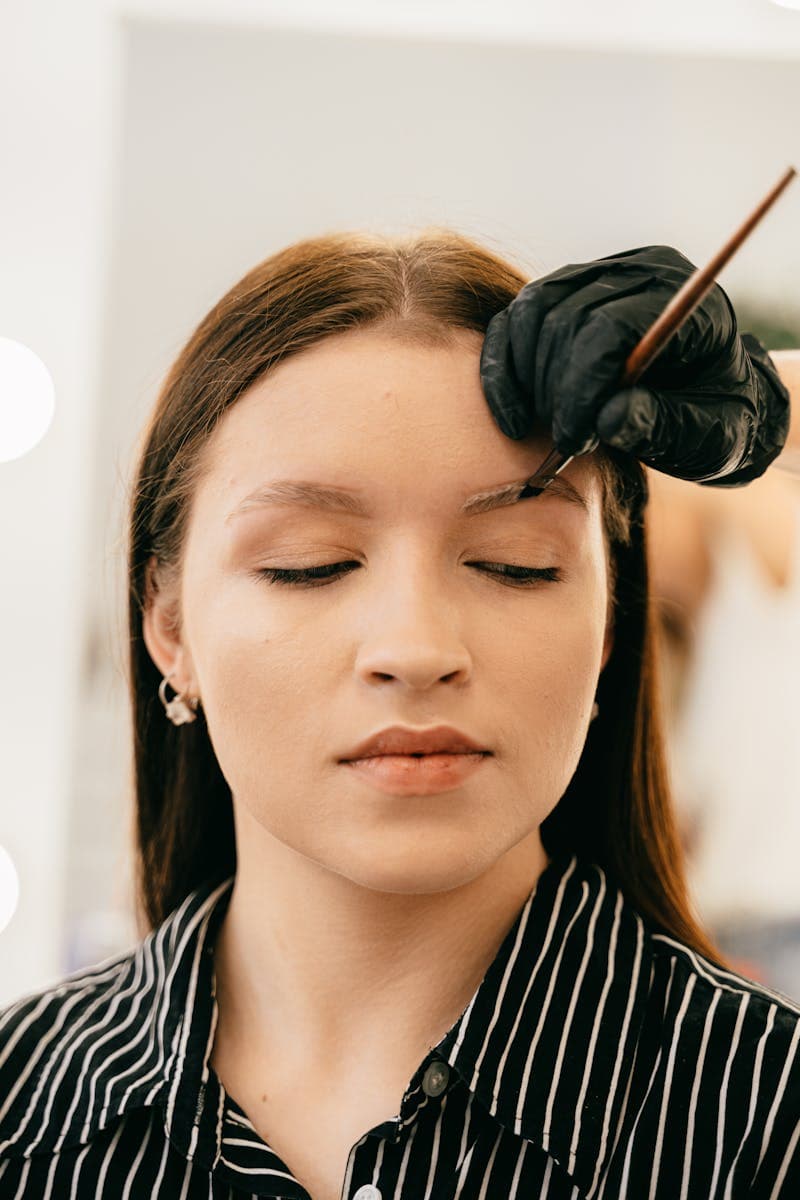
Microblading and powder brows are both semi-permanent eyebrow techniques that last 1–3 years — but they are fundamentally different in how they look, how long they last, and who they work best for. The most important factor in choosing between them is not aesthetic preference; it is skin type. Getting this wrong is the most common reason clients are disappointed with their results.
Here is the complete comparison, with the clinical reasoning that determines which technique is right for you.
The Core Difference: Technique and How It Heals
Microblading uses a hand tool with a blade of fine needles to make small, precise incisions in the epidermis and upper dermis. Pigment is deposited into these cuts as they are made. The result, when freshly healed, resembles individual hair strokes — each stroke is crisp, defined, and mimics the look of a real brow hair.
Powder brows (also called ombre brows, machine brows, or shading) use a rotary machine with a single needle that deposits pigment in a stippling or dotting pattern rather than making incisions. The technique builds up a soft, filled appearance — like the look of brow powder applied with a brush — that can be graduated from light to dark (ombre) or kept even.
The technique difference determines three critical downstream factors:
1. How the skin type affects the result Microblading's hair strokes depend on the incisions staying crisp and healed with defined edges. Oily skin produces excess sebum that saturates the healing tissue and causes the pigment to migrate laterally — turning crisp strokes into blurry, merged lines. Powder brows' stippled technique deposits pigment in a pattern that is inherently less dependent on crisp edges — the soft, diffused look is the intended aesthetic, so oily skin affects it far less.
2. How long it lasts Microblading incisions are in the epidermis and very upper dermis. This is a shallower plane than traditional tattooing. The skin's natural renewal cycle progressively migrates the pigment toward the surface and exfoliates it. Powder brows' machine technique can deposit pigment slightly more consistently, and the softer aesthetic is more forgiving of gradual fading than the precise hair strokes of microblading.
3. How it ages Microblading hair strokes can blur and merge over time as pigment spreads slightly in the tissue — particularly on oily skin. When faded microblading looks bad, it often looks like a blurry, undefined brow rather than clean strokes. Powder brows fade more evenly — they simply become lighter, maintaining the original shaded aesthetic until they become light enough to need a refresh.
Who Each Technique Is Best For
Microblading is best for:
Dry to normal skin types. The technique was designed for this skin type. Crisp hair strokes hold their definition longest on skin with normal to lower sebum production, where healing tissue remains stable and the incision edges heal cleanly.
Sparse brows with gaps to fill naturally. If you have some existing brow hair and want a technique that blends seamlessly with real hair, individual microblading strokes are more convincingly hair-like than a filled, shaded look.
Patients who want a natural, no-makeup appearance. Microblading at its best is nearly indistinguishable from real brow hairs. It appeals to patients who want defined brows without looking made up.
Patients with normal skin texture. Very fine skin, mature skin with thin epidermis, or skin with a history of keloid scarring are relative contraindications for microblading because the blade technique may cause excessive trauma or poor pigment retention.
Powder brows are best for:
Oily or combination skin types. The technique's greatest advantage. If your skin is oily — particularly in the brow and forehead zone — powder brows are significantly more likely to produce a clean, lasting result.
Patients who regularly wear brow makeup. Powder brows replicate the look of filled-in brows. If you currently fill your brows with powder or pencil and like that aesthetic, powder brows reproduce it as a semi-permanent result.
Mature skin with fine texture or thin epidermis. The machine technique is gentler on delicate skin than the blade strokes of microblading. It also tends to look more flattering on mature skin — where individual hair strokes can appear harsh or unnatural if the existing brow hair is sparse.
Patients who want maximum longevity. On most skin types, powder brows outlast microblading.
Patients transitioning from faded microblading. Powder shading can be applied over properly faded microblading, incorporating any residual pigment into a new shaded result.
Combination Brows: The Best of Both
Many experienced artists now offer combination techniques that blend microblading and powder shading:
Nano brows + shading: Nano brows use a single, very fine machine needle to create hair strokes (rather than the manual blade of traditional microblading). This machine-based hair stroke technique is more precise, gentler on the skin, and works on a wider range of skin types than manual microblading — including moderately oily skin. Adding a light shading layer over the nano hair strokes creates definition and depth.
Microblading + powder brows: Hair strokes in the front of the brow blending into a shaded tail. This creates the natural front (hair strokes) and defined structure (shading) that many clients want.
Combination techniques are often the recommendation for clients who present with oily skin but want the naturalness of hair strokes — the nano technique handles the oiliness better than manual microblading, and the shading adds durability.
Side-by-Side Comparison
| Factor | Microblading | Powder Brows |
|---|---|---|
| Technique | Manual blade, hair stroke incisions | Machine dotting/stippling, shaded fill |
| Look | Individual hair strokes — natural | Soft filled brow — made-up appearance |
| Best skin type | Dry to normal | Oily, combination, or any |
| Longevity | 1–2 years | 2–3 years |
| Oily skin result | Strokes blur, fade faster | Holds well, fades evenly |
| Pain level | Mild–moderate (scratching) | Mild (vibrating/buzzing) |
| Healing process | 10–14 days surface, 6 weeks full | Same |
| Peeling phase | Moderate peeling days 4–10 | Slightly less dramatic peeling |
| Ghosting phase | Yes — weeks 2–3 | Yes — same |
| Touch-up needed | Yes, at 6–8 weeks | Yes, at 6–8 weeks |
| Fades into | Blurry strokes if not refreshed | Even, lighter shading |
| Good for mature skin | Less ideal (can look harsh) | Better suited |
| Cost | $400–900 | $400–900 |
| Annual maintenance | Every 12–18 months | Every 18–24 months |
The Aftercare Is The Same — With One Key Difference
The aftercare protocol for microblading and powder brows is essentially identical — both require:
- No water on the brows for 10 days
- No picking the peeling skin
- No retinol, AHAs, or exfoliants near the brow area for 4 weeks
- SPF on the brows daily to protect pigment
- Touch-up at 6–8 weeks
- Annual or bi-annual color refreshes
The one difference: powder brows patients tend to experience slightly less dramatic peeling and a slightly less alarming ghosting phase, because the stippled technique produces less surface disruption than the blade incisions of microblading. First-time clients with powder brows are often pleasantly surprised that the "disappearing phase" they read about is milder than expected.
Both procedures share the same critical rule: do not pick. The peeling skin holds pigment in the dermis beneath it. Premature removal creates gaps — and gaps require touch-up correction. Whether the treatment was microblading or powder brows, patience during the peeling phase is the single most important aftercare behavior.
For a complete healing guide: see our microblading aftercare day-by-day guide. For lip permanent makeup, see our lip blush aftercare healing stages.
How to Choose: A Simple Decision Tree
Step 1: What is your skin type in the brow and forehead area?
- Oily (shine by midday, large pores, sebum visible) → Powder brows
- Normal to dry → Either technique works; continue to step 2
Step 2: What is your aesthetic goal?
- Natural, hair-like, no-makeup appearance → Microblading or nano brows
- Defined, filled, polished brow → Powder brows
- Natural front with structured definition → Combination technique
Step 3: How is your skin texture?
- Mature skin, thin epidermis, keloid history → Powder brows
- Normal to thick skin → Either technique
Step 4: How important is longevity?
- Maximum duration between appointments → Powder brows
- Longevity is secondary to natural look → Microblading on appropriate skin type
The right answer for most oily-skin clients is powder brows or a combination technique. The right answer for dry-skin clients who want a natural result is microblading or nano brows. When in doubt, consult an experienced artist who will assess your skin in person before recommending a technique — and who is willing to recommend against the more expensive option if it is not appropriate for your skin.
Stop photocopying aftercare sheets
Generate Microblading aftercare instructions branded with your clinic name in under 60 seconds. 3 free sheets per day — no credit card.
Generate your first sheet freeGet the free aftercare template pack
Generators for all 13 aesthetic procedures plus practical guides on running aftercare in your clinic. Sent once — no spam, ever.
Frequently asked questions
About the author
Dr. Megan Cole, RN, BSN
Aesthetic Nurse Practitioner
Registered Nurse with 12+ years in medical aesthetics. Certified injector (AAFE) specializing in neurotoxins and soft-tissue fillers. Clinical educator for aesthetic nursing programs.
View profile