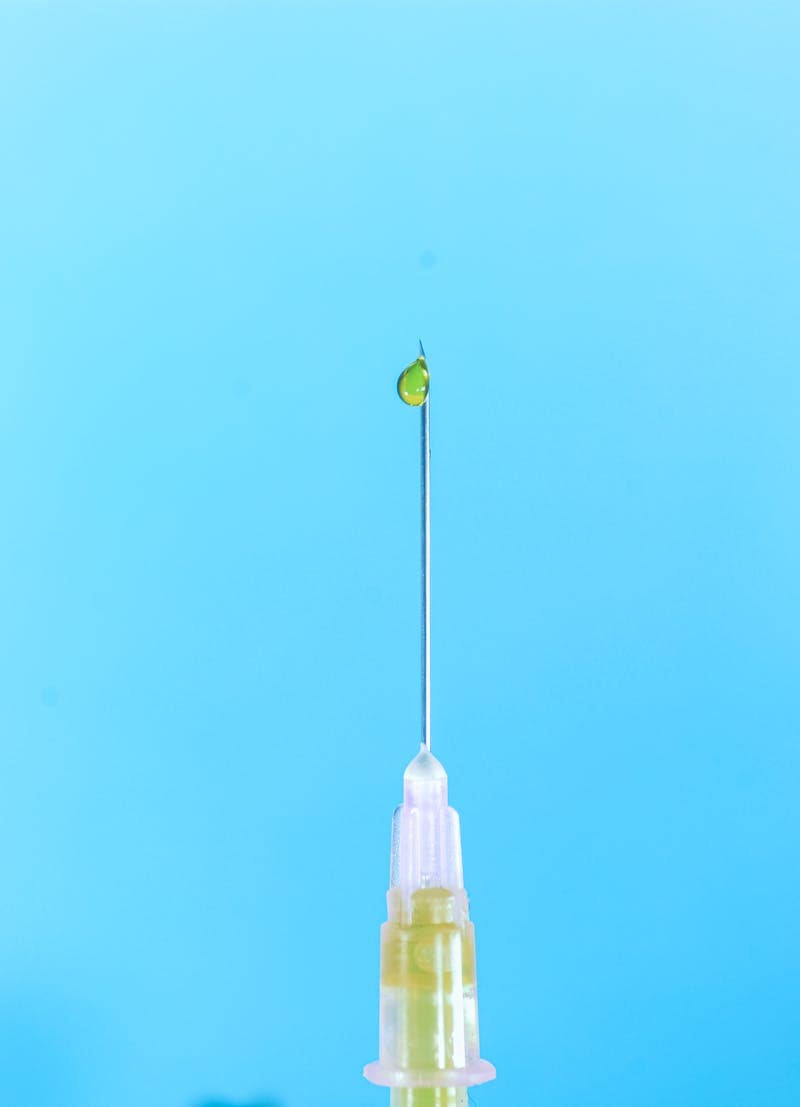
Hyaluronidase is the antidote to hyaluronic acid filler. It dissolves HA gel by breaking apart the long-chain HA molecules, allowing the body to clear the fragments naturally. The process begins within minutes of injection and the bulk of the dissolution is visible within 24–48 hours.
Understanding what to expect before, during, and after the procedure — including the temporary deflated appearance and the timeline before new filler can be placed — makes the experience significantly less stressful.
Why Patients Dissolve Lip Filler
The most common reasons are:
Filler migration or overfilling: Product that has spread above the vermilion border or lips that have been overfilled over multiple sessions. See our lip filler migration guide for how to identify this. Full dissolution and a reset is often the most reliable approach.
Unsatisfactory aesthetic result: The shape, volume, or symmetry does not match the patient's expectations after healing is complete. Some results can be refined with targeted dissolution; others require full removal and fresh placement.
Vascular occlusion emergency: The most urgent indication. When filler enters or compresses a blood vessel, hyaluronidase is injected immediately and in high concentration to dissolve the obstruction. This is an emergency use case that requires immediate provider action — it is not the same as the elective dissolution process described in this guide.
Desire to return to natural lips: Patients who have had filler for years and want to stop maintaining it, or who want to see what their lips look like without product.
Palpable lumps that are not resolving: Firm nodules visible or palpable after 4–6 weeks that represent filler in an unintended plane or concentration.
The Procedure: What Happens
Consultation and product assessment
Before dissolving, your provider needs to know:
- What filler product you have (brand and product line if known)
- How much was injected and approximately when
- Whether you have had any allergic reactions to bee stings or hyaluronidase previously (rare but relevant — hyaluronidase is derived from bovine, ovine, or recombinant sources)
- Any relevant medical history
A small test dose (0.1mL) is sometimes injected at a non-visible site to assess for allergic reaction before full treatment, though true allergy is uncommon.
The injection
Topical numbing cream is applied for 15–20 minutes. Hyaluronidase is then injected in small aliquots directly into or adjacent to the filler deposit. For lip filler, this typically involves:
- 4–8 injection points distributed along the upper and lower lips
- Total dose of 150–300 units of hyaluronidase for a standard lip filler dissolution (higher for larger volumes or old filler)
- The injections take 5–10 minutes
You will typically feel the filler beginning to dissolve during the procedure — the previously firm filler softens within minutes, and the area becomes more compressible. This is normal.
Immediately after
The lips will be swollen — often more swollen than after a routine filler injection. The inflammation is driven by the tissue reaction to hyaluronidase and the physical disruption of the filler matrix. Cold compresses help significantly.
The lips will also feel soft and deflated compared to their filler-enhanced state, even allowing for the swelling. This is expected.
The Recovery Timeline After Dissolution
Hours 0–24: Peak swelling
The dissolution process and inflammatory response produce significant swelling in the first 24 hours — often more swelling than the original filler injection caused. The lips appear larger immediately after the procedure than they will at the final assessed result, as the swelling masks the deflation.
Aftercare hours 0–24:
- Cold compresses (wrapped in cloth, 10 minutes on/off) for the first 4–6 hours
- Avoid heat, exercise, alcohol — the same restrictions as post-filler injection
- Paracetamol for discomfort (not ibuprofen — it is an anti-inflammatory but also a blood thinner that worsens bruising)
- Sleep with head elevated
Days 2–5: Swelling resolves, deflation becomes apparent
As the swelling subsides, the full extent of the dissolution becomes visible. Most patients experience this as a striking deflation compared to the filler-enhanced state — particularly if they have had significant volume for a long time.
The lips at this stage may appear smaller than pre-filler baseline. This is partly real (some native tissue HA may be affected) and partly perceptual (the absence of filler makes the natural anatomy more apparent after the patient has become accustomed to the enhanced version).
Weeks 1–2: Tissue normalizes
Native hyaluronic acid in the lip tissue regenerates over 2–4 weeks. By the end of week 2, most patients find their lips have "plumped up" slightly compared to the immediately post-dissolution appearance — not to their filler-enhanced state, but noticeably fuller than the day-5 deflation.
At 2 weeks, the lips represent an accurate baseline: what you look like naturally, without filler. This is the point at which:
- A reassessment appointment is typically scheduled
- The decision about new filler is made with an accurate baseline
- Any residual filler (if a second dissolution session is needed) can be assessed
Weeks 2–4: Readiness for new filler
Most providers clear patients for new filler at 2 weeks if:
- All post-dissolution swelling has resolved
- No residual filler is palpable that would indicate incomplete dissolution
- The patient has had time to assess and confirm their desired new treatment plan
A conservative provider may prefer 4 weeks, particularly if:
- Significant volumes were dissolved (more hyaluronidase = longer active period in tissue)
- The reason for dissolution was migration or a complication (appropriate additional time to ensure tissue recovery)
- The patient wants to genuinely reset and see their natural lips before committing to new treatment
Will My Lips Look the Same After New Filler?
This depends on what is being done differently in the new treatment compared to the original.
If the reason for dissolution was a poor aesthetic outcome (wrong shape, wrong volume, poor symmetry), the new treatment should differ in:
- Product selection (different HA product with more appropriate viscosity/cohesion for the intended result)
- Volume (typically more conservative than the original)
- Technique (cannula vs needle, different injection planes)
- Target anatomy (more precise placement at specific lip structures)
If the reason was migration from accumulated overfilling, the new treatment should be approached with significantly smaller volumes — often 0.5ml rather than 1.0–1.5ml — and spaced further apart in time.
A fresh start after dissolution is also an opportunity to reassess whether the original treatment plan was right for your anatomy. Not all lip shapes suit all people, and a reset allows for a more thoughtful approach.
Hyaluronidase and Native Tissue HA
A common concern is whether hyaluronidase damages native hyaluronic acid — the HA naturally present in lip tissue that contributes to lip fullness and hydration.
The answer is: yes, to a limited extent, and temporarily. Hyaluronidase does not distinguish between injected filler HA and native tissue HA. When injected in concentrated doses, it will affect some native HA in the immediate treatment area.
The clinical significance is:
- The deflated appearance immediately post-dissolution is partly due to temporary native HA reduction
- Native HA regenerates fully within 2–4 weeks
- The effect on native tissue is transient and does not produce permanent changes to lip anatomy
The 2–4 week waiting period before new filler is placed accounts for this native HA regeneration window.
How to Prepare for a Dissolution Appointment
1–2 weeks before:
- Locate your treatment records (what product, how much, and when) — this helps your provider plan the hyaluronidase dose
- Avoid blood thinners (aspirin, ibuprofen, fish oil, vitamin E) in the 48 hours before the procedure
Day of appointment:
- Arrive with clean, makeup-free lips
- Eat a meal beforehand (avoiding lightheadedness)
- Bring a hat or scarf if you prefer to cover post-procedure swelling when leaving
After the appointment:
- Arrange to be at home for the rest of the day — the swelling is significant and sudden
- Have cold compresses ready
- Plan social engagements around the 5–7 day window when swelling will be at its most visible
Related guides: lip filler migration signs and causes · lip filler swelling stages · how long does lip filler last
AftercareGen generates clinic-branded aftercare documents for lip filler dissolution — covering the post-hyaluronidase swelling timeline, the re-treatment waiting period, and what to expect as the tissue normalizes.
Stop photocopying aftercare sheets
Generate Lip Filler aftercare instructions branded with your clinic name in under 60 seconds. 3 free sheets per day — no credit card.
Generate your first sheet freeGet the free aftercare template pack
Generators for all 13 aesthetic procedures plus practical guides on running aftercare in your clinic. Sent once — no spam, ever.
Frequently asked questions
About the author
Dr. Megan Cole, RN, BSN
Aesthetic Nurse Practitioner
Registered Nurse with 12+ years in medical aesthetics. Certified injector (AAFE) specializing in neurotoxins and soft-tissue fillers. Clinical educator for aesthetic nursing programs.
View profile