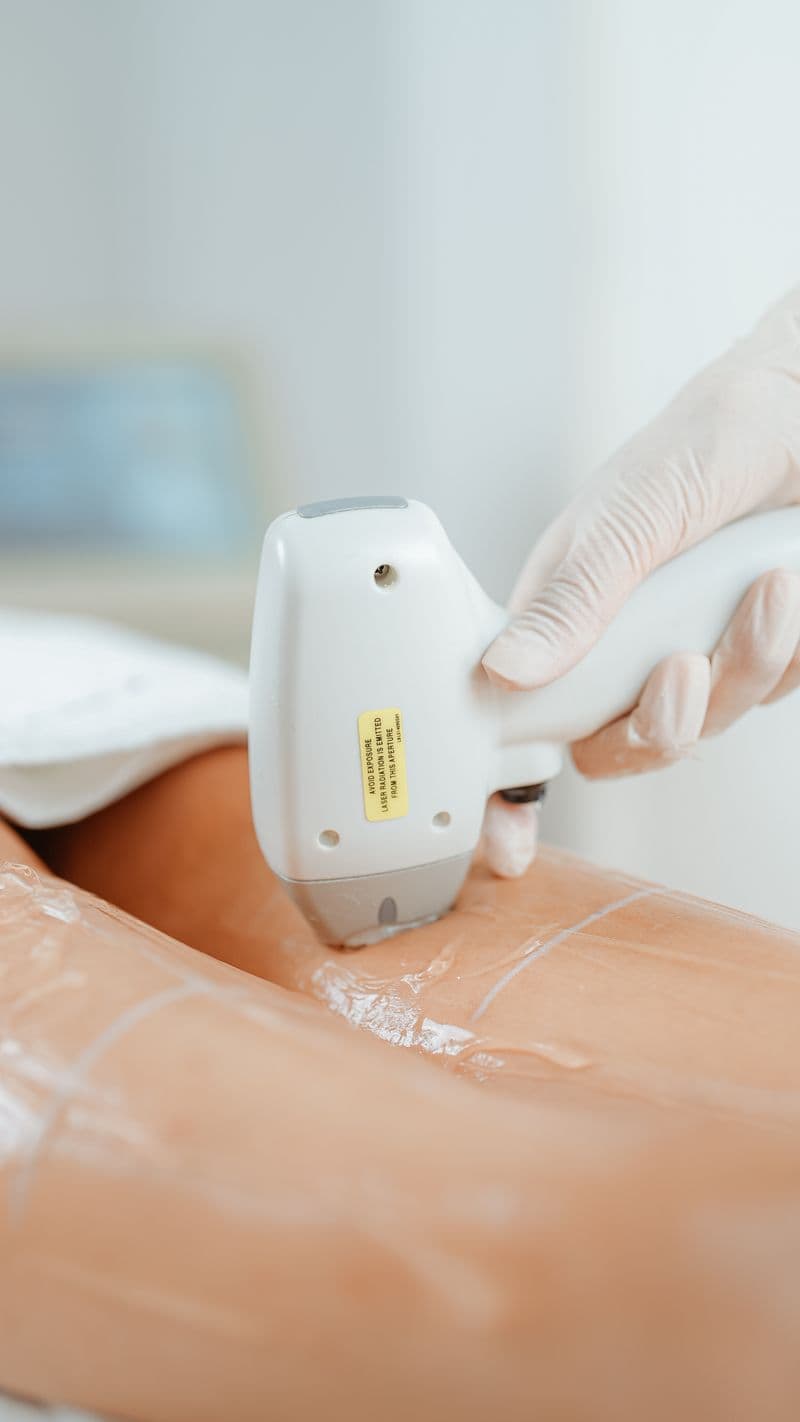
The 48 hours after laser hair removal are the window where most aftercare mistakes happen — and where the results of your treatment are either protected or compromised. The laser has done its job: it delivered selective photothermolysis to the melanin in your hair follicles, destroying them without damaging surrounding tissue. Your job now is to keep heat out, UV off, and irritants away from skin that is temporarily more vulnerable than usual.
Here are 12 evidence-based aftercare tips, organized by what matters most and when.
Why Laser Hair Removal Skin Needs Special Care
To understand why the aftercare rules exist, you need to understand what the laser did to your skin. During treatment:
- Selective photothermolysis targeted the melanin pigment in the hair follicle, converting laser energy into heat localized at the follicle
- Surrounding tissue absorbed some heat: dermis and epidermis near treated follicles experienced transient thermal stress
- Inflammatory cascade activated: mast cells released histamine, causing the redness, warmth, and mild swelling (perifollicular edema) you see immediately after treatment
The treated skin is temporarily more susceptible to three specific insults: additional heat (which extends and worsens the inflammatory response), UV radiation (which triggers pigmentation changes in heat-stressed cells), and bacteria or irritants (which can infect follicles that are in a disrupted state).
The aftercare protocol is specifically designed to protect against all three.
The 12 Aftercare Tips
1. Apply aloe vera or a cold compress immediately
Within minutes of treatment, the treated area will feel warm and may appear pink or red. Apply pure aloe vera gel (refrigerated if possible — the cold adds cooling benefit) or a cold compress wrapped in a cloth for 10–15 minutes. This reduces the localized heat in the skin and limits the extent of the inflammatory response.
Avoid ice directly on skin — it can cause a cold burn on tissue that is already thermally stressed.
2. Take the cool shower, not the hot one
For the next 24–48 hours, all water coming into contact with treated areas should be lukewarm to cool — never hot. Hot water dilates blood vessels, raises skin temperature, and extends the post-laser inflammation. This matters not just for comfort but for pigmentation: heat in the skin activates melanocytes (pigment-producing cells), and activated melanocytes in post-laser skin are the mechanism behind PIH.
Skip the steam room, sauna, hot tub, and Jacuzzi entirely for 48 hours.
3. Skip exercise for 24–48 hours
Exercise raises core body temperature, increases sweating, and elevates blood pressure — all of which worsen post-laser inflammation. Beyond comfort, sweat on treated skin introduces bacteria into follicles that have been disrupted by the laser. The combination of heat, disrupted follicles, and bacteria is a reliable formula for folliculitis (infected hair follicles, presenting as small red pustules).
Return to exercise when skin is no longer red and sensitive — usually 24–48 hours for most body areas, potentially 48–72 hours for more sensitive areas like the bikini line.
4. Wear loose, breathable clothing over treated areas
Tight synthetic fabrics trap heat and create friction against skin that is mildly inflamed. For treated leg, underarm, or bikini areas, wear loose cotton clothing for the first 24–48 hours. This reduces irritation, prevents heat accumulation, and allows the skin to breathe.
For bikini treatments specifically, avoid thong underwear or swimwear that creates friction at the treatment site for at least 48 hours.
5. No deodorant on treated underarms for 24 hours
Standard antiperspirant and deodorant formulas contain aluminum compounds, fragrances, and alcohol — all of which are irritants on skin compromised by laser treatment. For treated underarm areas, skip deodorant for the first 24 hours. After 24 hours, a plain, fragrance-free deodorant (not antiperspirant) can be used if the skin feels comfortable. Resume your normal deodorant at 48 hours.
6. Do not wax, thread, or use depilatories between sessions
This is the single most important rule that patients violate — and violating it directly reduces the effectiveness of your entire treatment course.
Laser hair removal works by destroying hair follicles in the anagen (active growth) phase. For the laser to find and destroy the follicle, the follicle must be present and connected to the hair shaft. Waxing and threading remove the hair from the follicle entirely, leaving no target for the next laser session. Depilatory creams dissolve the hair shaft chemically — they do not remove the follicle, but they can cause chemical irritation on skin still recovering from laser treatment.
Shaving is the only permitted method between sessions. Shaving cuts the hair at skin level, leaving the follicle intact and available for your next appointment.
7. Apply SPF 50 daily to treated areas — for four weeks
UV protection after laser hair removal is non-negotiable and widely under-observed. Here is why it matters this much:
The laser creates thermal injury in the dermis. In the weeks following treatment, melanocytes in that area are in a sensitized state — more reactive to UV stimulation than normal. UV exposure during this window activates these sensitized melanocytes, causing them to produce excess melanin. The result is post-inflammatory hyperpigmentation: dark spots or patches in the treated area that can take months to fade.
SPF 50 applied every morning to any treated area that will be exposed to daylight is the most effective single thing you can do to protect your results and prevent PIH. Use mineral SPF (zinc oxide or titanium dioxide) on treated skin — chemical filters can be irritating on compromised skin.
8. Expect hair shedding — do not panic
In the 2–3 weeks following each session, treated hairs will shed. This looks like stubble growing back, but it is actually the treated hair being expelled from the destroyed follicle as the skin naturally cycles the dead hair shaft out. You may be able to pull these hairs out gently with your fingers — they release easily because the follicle is no longer holding them.
Do not wax these shedding hairs. Shaving is fine and actually helps clear them from the skin. Many patients at this stage mistakenly believe the treatment failed because they see hair — it has not failed. The shed is a confirmation the follicle was destroyed.
9. Moisturize treated skin daily
Keeping treated skin well moisturized supports the healing process and reduces the dryness and flaking that can occur as the skin recovers. Use a fragrance-free, non-comedogenic moisturizer: CeraVe Moisturizing Cream, Vanicream, or equivalent. Apply after each shower.
Avoid products with added fragrance, alcohol, retinol, or AHAs on treated skin during the first week.
10. Do not pick at anything
Treated follicles may form small scabs or crusts — this is normal, particularly after higher-energy treatments or on coarse hair. Do not pick at these. They will resolve naturally within a week. Picking introduces bacteria and causes scarring at the follicle site.
Similarly, do not attempt to extract ingrown hairs during the post-treatment period. Ingrown hairs after laser treatment are common and resolve on their own as the follicle is destroyed. Attempting extraction on recently lasered skin risks infection and scarring.
11. Plan sessions around your schedule
Laser hair removal sessions leave skin noticeably red for 2–24 hours in most patients and may leave it sensitive for up to 48 hours. Plan sessions accordingly:
- Bikini and underarm areas: Give yourself 48 hours before any social event requiring swimwear
- Legs: 24 hours before planned outdoor exposure
- Facial areas: Up to 48 hours before events where skin redness would be noticeable
12. Stay on schedule with your sessions
Laser hair removal is effective because it catches follicles across all three phases of the hair growth cycle over multiple sessions. The spacing between sessions — typically 4–6 weeks for body areas and 4–8 weeks for facial areas — is calibrated to this cycle. Missing a session or waiting too long between treatments allows previously treated areas to partially recover and reduces cumulative efficacy.
Mark your next appointment before you leave the clinic. Consistency is the most predictable driver of outcome.
What's Normal vs. What to Report
Normal after laser hair removal:
- Redness at the treatment site (lasts 2–24 hours)
- Swelling around treated follicles (perifollicular edema) — looks like small bumps, resolves in 24 hours
- Warmth in treated skin for several hours
- Mild sensitivity lasting up to 48 hours
- Hair shedding in weeks 2–3 post-treatment
Contact your provider if you experience:
- Blistering or vesicle formation on treated skin
- Significant swelling beyond the treatment area
- Open sores or wounds
- Infection signs at follicle sites: pus, hot-to-touch nodules, spreading redness
- Burns or darkening of the skin immediately after treatment
- Persistent redness or pain lasting beyond 5 days
Treatment Areas and Their Specific Considerations
Different body areas have slightly different aftercare nuances:
Underarms: Most sensitive area for deodorant restriction. Highest risk for folliculitis due to friction and bacteria. Wear loose-fitting tops for 48 hours.
Bikini/Brazilian: Most sensitive area overall. Avoid tight underwear, swimwear, and sexual activity for 24–48 hours. Higher infection risk due to anatomical location.
Legs: Lower sensitivity but large surface area — sun exposure risk is high given that treated legs are often exposed. SPF compliance is particularly important here.
Face (upper lip, chin, sideburns): Highest PIH risk, particularly in Fitzpatrick III–VI skin types. SPF compliance and avoiding heat are critical. Do not use retinol, AHAs, or vitamin C on treated facial skin for 5–7 days.
Back and chest: Often higher-energy treatments due to coarser hair. Extended redness (up to 48 hours) is more common. Loose cotton clothing is important for friction reduction.
Between-Session Care: Protecting Your Results Between Appointments
The days immediately after laser treatment get the most attention, but what you do in the weeks between sessions directly affects your cumulative outcome.
Shave only — never wax, thread, or use depilatory creams
Between sessions, the only permitted hair removal is shaving. Shaving cuts the hair shaft at skin level, leaving the follicle intact and available as a target at your next appointment.
Waxing and threading remove the hair from the follicle entirely — leaving the laser with nothing to target and potentially triggering follicle regeneration that undermines previous sessions. Depilatory creams dissolve the hair shaft but can cause chemical irritation on skin still recovering from laser treatment.
Apply SPF 50 daily for the entire treatment course
Sun protection between sessions is a requirement for the full 6–12 month treatment course. UV exposure between sessions:
- Causes post-inflammatory hyperpigmentation in recently treated skin
- Stimulates melanin production that reduces contrast between hair and skin (reducing efficacy at the next session)
- Causes tanning that narrows the safety margin between follicle pigment and skin pigment, increasing burn risk
For any treated area exposed to daylight — legs, face, arms — SPF 50 every morning is non-negotiable until your course is complete.
Moisturize daily
Well-moisturized skin recovers faster between sessions and allows laser energy to be delivered more consistently. Use a fragrance-free, non-comedogenic moisturizer on treated areas daily after showering.
Stay on schedule
Missing sessions or stretching intervals beyond the recommended timeframe reduces cumulative efficacy. The session schedule is calibrated to the hair growth cycle — treating too soon wastes sessions; treating too late allows previously treated follicles to partially recover. Book your next appointment before you leave the clinic.
Avoid retinol and AHAs in the week before each session
These ingredients increase skin sensitivity, making treatment more uncomfortable and increasing surface irritation risk. Stop retinol and AHA use 5–7 days before each session, then resume after the immediate 48-hour aftercare period.
Shedding Timeline: What to Expect After Each Session
Hair shedding after laser treatment is widely misunderstood. Here is a week-by-week guide to what you are seeing and why.
Days 1–7 post-session
The treated area shows the immediate post-laser response: redness, perifollicular edema (small bumps around follicles), and warmth. The treated hairs remain in place at this stage — they are physically unchanged externally.
Days 7–14: Shedding begins
Treated hairs start to loosen. Some fall out when touched or toweled. Others appear as stubble that seems to be "growing" — this is dead hair being pushed upward by the skin's healing process, not active growth. You may be able to pull these hairs out with minimal resistance using your fingers.
Do not wax this shedding hair. Shaving is fine and helps clear shedding hairs from the skin surface.
Days 14–28: Active shedding phase
This is the main shedding window. The majority of treated hairs from this session exit during this period. The treated area should look and feel progressively less hairy. Some patients see dramatic clearance; others see modest improvement — this reflects how many follicles were in the anagen phase at the time of treatment.
Days 28+: Baseline for next session
The remaining hair growth you see represents follicles that were in resting (telogen) or transition (catagen) phase during your treatment — they were not effectively targeted. These follicles will be caught in a future session when they re-enter the anagen phase. This is precisely why multiple sessions are required.
A good shedding response after each session is a reliable indicator that follicles were destroyed and treatment is working.
The Role of Your Aftercare Sheet
If your provider handed you written aftercare instructions, the reasoning above is the context behind those rules. Aftercare sheets are most useful when patients understand why each instruction exists — because understanding converts a list of restrictions into a logical protocol that is far easier to follow.
If you are an aesthetic practitioner: patients who receive clear, professionally formatted aftercare documents — with your clinic name, the treatment date, and specific instructions — follow aftercare protocols at significantly higher rates than patients given verbal instructions alone. Related guides: dermaplaning aftercare tips · CoolSculpting aftercare what to expect · aftercare instructions template for clinics
AftercareGen generates clinic-branded laser hair removal aftercare sheets in seconds, in a format patients actually keep and reference.
Stop photocopying aftercare sheets
Generate Laser Hair Removal aftercare instructions branded with your clinic name in under 60 seconds. 3 free sheets per day — no credit card.
Generate your first sheet freeGet the free aftercare template pack
Generators for all 13 aesthetic procedures plus practical guides on running aftercare in your clinic. Sent once — no spam, ever.
Frequently asked questions
About the author
Dr. Megan Cole, RN, BSN
Aesthetic Nurse Practitioner
Registered Nurse with 12+ years in medical aesthetics. Certified injector (AAFE) specializing in neurotoxins and soft-tissue fillers. Clinical educator for aesthetic nursing programs.
View profile