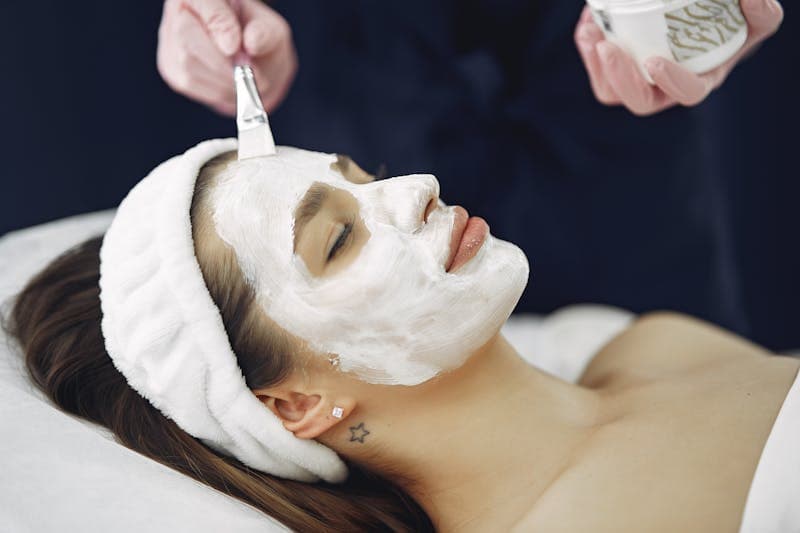
Chemical peels span a wide range — from a light superficial peel with minimal downtime to a TCA or medium-depth peel with frosting, substantial peeling, and a more intensive, higher-risk recovery. For a skin-focused clinic, the defining feature of good peel aftercare is that it scales with depth. A single generic peel sheet is not just suboptimal; for the deeper end of the menu it can be unsafe.
This guide covers how clinics build a depth-specific chemical peel aftercare protocol.
Why One Peel Sheet Cannot Cover the Menu
The recovery from a superficial glycolic peel and a medium-depth TCA peel are different events:
| Superficial peel | Medium/deep (TCA) peel | |
|---|---|---|
| Downtime | Minimal, days | Significant, 1–2+ weeks |
| Peeling | Mild flaking | Substantial sheet peeling |
| Frosting | Usually none | Yes, immediately after |
| Complication risk | Low | Higher (scarring, pigmentation, infection) |
| Aftercare intensity | Light | Intensive |
Hand a superficial-peel sheet to a TCA patient and they are dangerously under-prepared for the peeling, downtime, and warning signs. Hand a TCA sheet to a superficial-peel patient and you over-warn and confuse them. The instructions must match the depth performed — which means a clinic needs distinct protocols, selected to the treatment.
The Depth-Specific Protocol Structure
The cleanest approach is two (or more) protocols that share a common spine but scale in intensity.
Shared spine (all depths)
- Sun avoidance and SPF — peeled skin is photosensitive and prone to pigmentation complications
- No picking or manually peeling the flaking skin — risks scarring and pigmentation issues
- Gentle cleansing and prescribed moisturizing
- No active skincare (retinoids, acids, exfoliants) until cleared
- Warning signs — signs of infection, abnormal healing
Superficial peel additions
- Lighter touch — expect mild flaking over a few days
- Resume normal skincare relatively quickly per protocol
- Comparatively short warning-sign window
Medium/deep (TCA) peel additions
- Manage significant peeling — let it shed naturally, absolutely no picking
- Longer, more rigorous sun avoidance
- Specific occlusive/moisturizing regimen to support healing
- Realistic downtime expectations so the patient is prepared for how they will look
- Fuller warning-sign set — prolonged redness, abnormal healing, signs of infection — given the higher risk
- A clear instruction to contact the clinic with any concern, given the intensity of recovery
The Two Instructions That Drive Outcomes
Across all depths, two instructions disproportionately determine the result:
Sun avoidance. Peeled skin is highly photosensitive. UV exposure during recovery causes pigmentation complications that can undo the benefit of the peel and are hard to reverse. This instruction becomes more critical with depth.
No picking. Manually pulling at peeling skin is the classic cause of peel scarring and pigmentation problems. Patients find peeling skin irresistible to pick, so this instruction needs emphasis — and reasoning. "Don't pick" is ignored; "don't pick — pulling skin that isn't ready to shed causes scarring and dark marks" is followed.
Both are compliance problems, and compliance improves dramatically when the why is explained. (See patient compliance with aftercare and why it matters.)
Consistency and the Depth-Matching Risk
The specific consistency risk for peel clinics is mismatching the protocol to the peel — handing out the wrong depth's instructions. With multiple providers and a range of peels on the menu, improvised or memory-based aftercare invites this error.
The reliable structure:
- Depth-specific, clinic-approved protocols, branded and current
- Provider selects the protocol matching the peel performed — removing guesswork
- Per-patient personalization added quickly
- Updated centrally so all protocols stay aligned with current practice
This makes selecting the correct, depth-appropriate aftercare a deliberate step rather than a memory exercise.
Liability Scales With Depth Too
For superficial peels, complication risk is low and documentation is routine. For medium and deep peels — where scarring, pigmentation changes, infection, and prolonged healing are real risks — documented, depth-appropriate aftercare that warns of the relevant signs is an important part of meeting the standard of care. The deeper the peel, the more the documentation matters. (See how to reduce aesthetic clinic liability with aftercare.)
Building It Into Your Workflow
The peel-aftercare goal: depth-matched protocols, the two key instructions explained for compliance, accessible throughout the longer recovery (especially for deep peels), consistent across providers, and documented in proportion to the risk. Producing depth-specific, branded, personalized aftercare by hand — and correctly matching it to each peel — is where errors and shortcuts creep in. A system that holds the depth-specific protocols and generates the right one, branded and personalized, in seconds makes correct aftercare the path of least resistance.
Chemical Peel Aftercare Protocol Checklist
Use this to verify your clinic's peel aftercare system covers all critical elements:
Depth coverage
- Do you have a distinct protocol for superficial peels (glycolic, lactic, enzyme)?
- Do you have a distinct protocol for medium-depth peels (Jessner, modified TCA 20–35%)?
- Do you have a distinct protocol for deep peels (high-concentration TCA, phenol)?
- Is the correct depth protocol selected per patient — not handed out from memory?
Core instructions (all depths)
- Does the protocol explain that peeled skin is photosensitive and require SPF before any sun exposure?
- Does the protocol explicitly instruct patients NOT to pick or peel the skin — with the reason given?
- Does the protocol specify the correct cleanser and moisturizer to use?
- Does the protocol list active ingredients to avoid and for how long (retinoids, AHAs, vitamin C, exfoliants)?
Medium/deep-specific additions
- Does the TCA/medium-depth protocol explain the frosting response and what it means?
- Does the protocol describe what significant peeling looks like and when it starts?
- Does the protocol include realistic downtime expectations for the patient's specific depth?
- Does the protocol cover the fuller set of warning signs (infection, abnormal healing, prolonged redness)?
Delivery and documentation
- Is the correct depth protocol matched to the peel performed — not a generic sheet?
- Is the protocol branded with your clinic name and contact details?
- Is a digital copy sent to the patient's phone for accessibility during the longer recovery window?
- Is the issuance documented in the patient record?
Frequently Asked Questions
Why must chemical peel aftercare be depth-specific? A superficial peel and a medium or deep TCA peel have very different recovery profiles. Superficial peels involve mild flaking over a few days; medium and deep peels involve significant peeling, frosting, longer downtime, and higher complication risk (scarring, pigmentation changes, infection). Using the same aftercare sheet for both either over-warns superficial-peel patients or dangerously under-prepares deep-peel patients.
What should TCA peel aftercare include that superficial peel aftercare does not? TCA and medium-depth peel aftercare must address the more intensive recovery: managing significant peeling and not picking it (to avoid scarring), more rigorous sun avoidance duration, longer downtime expectations, specific occlusive moisturisation guidance, and a fuller set of warning signs. Superficial peel aftercare is comparatively light. The depth determines the intensity and specificity of the instructions.
What is the most important chemical peel aftercare instruction? Two instructions stand out across all depths: strict sun avoidance with diligent SPF (peeled skin is highly photosensitive and prone to pigmentation complications), and not picking or manually peeling the flaking skin (which risks scarring and hyperpigmentation). Both become more critical as peel depth increases. Explaining the reasoning behind each instruction significantly improves patient compliance.
How do skin clinics keep chemical peel aftercare consistent across providers? By maintaining depth-specific, clinic-approved protocols — distinct documents for superficial versus medium and deep peels — used by every provider, branded consistently, and kept current. The provider selects the protocol matching the peel performed. This removes the most dangerous error in peel aftercare: handing a superficial-peel sheet to a TCA patient who is then unprepared for their recovery.
Is chemical peel aftercare a liability concern? Yes, particularly for medium and deep peels where complication risk is higher. Documented, depth-appropriate aftercare that warns of the relevant signs and instructs sun avoidance and no-picking is part of meeting the standard of care. The documentation weight increases proportionally with peel depth — a well-documented TCA peel aftercare protocol is meaningfully different from a handwritten note.
Related reading: Chemical peel aftercare recovery timeline · TCA peel aftercare and recovery · Patient compliance with aftercare and why it matters
AftercareGen holds your depth-specific peel protocols and generates the correct one — branded, personalized, with the key instructions explained — in seconds, delivered digitally for the full recovery window. See how it works.
Stop photocopying aftercare sheets
Generate Chemical Peel aftercare instructions branded with your clinic name in under 60 seconds. 3 free sheets per day — no credit card.
Generate your first sheet freeGet the free aftercare template pack
Generators for all 13 aesthetic procedures plus practical guides on running aftercare in your clinic. Sent once — no spam, ever.
Frequently asked questions
About the author
Dr. Megan Cole, RN, BSN
Aesthetic Nurse Practitioner
Registered Nurse with 12+ years in medical aesthetics. Certified injector (AAFE) specializing in neurotoxins and soft-tissue fillers. Clinical educator for aesthetic nursing programs.
View profile